
Glutathione for Detox Support After 40: The Antioxidant Pathway Worth Knowing

Sarah Chen
Medical Content Advisor · May 19, 2026
Glutathione for detox support after 40: learn how this antioxidant may support oxidative balance, skin health, cellular resilience, and a healthy glow.
Detox has become one of wellness culture's most overused words. It appears on juice cleanses, bath salts, powders, teas, and routines that promise a fresh start by Monday morning. The body is far more sophisticated than that. Your liver, kidneys, lymphatic system, gut, lungs, and skin are already working around the clock to process what you eat, breathe, absorb, metabolize, and create internally.
The more useful question is not whether you need a detox. It is whether your cellular defense systems have the raw materials and antioxidant capacity they need to do their normal work well. That is where glutathione for detox support becomes interesting, especially after 40.
Glutathione is often called the body's master antioxidant because it helps neutralize oxidative stress, supports normal liver detoxification pathways, and participates in the recycling of other antioxidants. It also sits at the intersection of healthy aging, immune resilience, skin glow, mitochondrial function, and environmental stress. The science is still developing, and glutathione should not be framed as a cure or a shortcut. But human studies suggest that supporting glutathione status may help the body maintain healthier oxidative balance and cellular resilience [1].
Glutathione for detox support: what it actually does
Glutathione is a small molecule made from three amino acids: glutamine, glycine, and cysteine. It exists in a reduced form, often called GSH, and an oxidized form, called GSSG. In simple terms, reduced glutathione can donate electrons to help calm reactive oxygen species, then it is recycled back into active form when the body's antioxidant network is functioning well.
That recycling loop is one reason glutathione matters. Oxidative stress is not automatically bad. Exercise, immune defense, and normal metabolism all produce reactive molecules. Problems arise when oxidative demand chronically exceeds the body's ability to respond. Over time, that imbalance may contribute to dull skin, slower recovery, inflammation signaling, mitochondrial strain, and a general sense that the body has less margin than it used to.
Glutathione also plays a role in phase II detoxification, the stage where the liver helps make certain compounds more water soluble so they can be eliminated. This includes everyday metabolic byproducts and some environmental exposures. That does not mean glutathione "flushes toxins" in a dramatic cleanse-style way. It means glutathione is part of the body's normal biochemical housekeeping.
After 40, this kind of support becomes more relevant because the body is often juggling more inputs: disrupted sleep, higher work stress, hormonal changes, inflammation, medications, environmental exposure, and accumulated sun damage. The goal is better cellular capacity.
The antioxidant system behind healthy aging
Healthy aging is not only about avoiding disease. It is about preserving function, recovery, energy, cognition, skin quality, and metabolic flexibility for as long as possible. Oxidative stress is one of the biological pressures researchers study because it can affect proteins, lipids, DNA, mitochondrial membranes, and inflammatory signaling.
In a randomized controlled clinical trial published in Frontiers in Aging, Lizzo and colleagues studied glycine plus N-acetylcysteine, a combination known as GlyNAC, in healthy older adults. Glycine and cysteine are two building blocks the body uses to make glutathione. The study found that older adults had higher baseline markers of oxidative stress, and GlyNAC was safe, well tolerated, and may increase glutathione levels in older adults with higher glutathione demand [1].
That study did not test injectable glutathione. It did help clarify a larger point: glutathione biology is responsive in humans, not just in cell cultures or animal models.
Another randomized clinical trial, published in The Journals of Gerontology: Series A, looked at GlyNAC supplementation in older adults and reported improvements in glutathione deficiency, oxidative stress, mitochondrial dysfunction, inflammation, physical function, and several aging-related biomarkers [2]. The findings are promising, but more independent replication is needed.
"GlyNAC supplementation improves/reverses GSH deficiency." Kumar et al., The Journals of Gerontology: Series A [2]
For wellness-minded adults, the practical takeaway is grounded. Glutathione is not a magic longevity switch. It is a key part of the antioxidant network that helps the body respond to oxidative load. Supporting that network may matter more as life's stressors stack up.
Why skin health is part of the glutathione conversation
Skin is often where oxidative stress becomes visible. UV exposure, pollution, poor sleep, alcohol, stress, and inflammation can all show up as dullness, uneven tone, slower repair, and a less luminous texture. Skincare can help from the outside, but skin is also an organ that reflects internal antioxidant balance.
Several human trials have explored glutathione and skin-related outcomes. In a randomized, double-blind, placebo-controlled study, Weschawalit and colleagues evaluated oral reduced and oxidized glutathione in healthy women and reported improvements in some skin properties, including melanin index and wrinkle-related measures [3]. The study was modest in size and should not be stretched into dramatic claims, but it supports the idea that glutathione may influence visible skin biology.
A topical oxidized glutathione trial also reported improvements in skin condition and melanin-related outcomes in healthy women [4]. A separate Indonesian multicenter randomized trial of an oral glutathione combination found no significant difference versus placebo across several facial analysis measures, which is important context [5]. Not every study is positive, and formulas, doses, routes, populations, and endpoints vary.
This is why medically guided wellness should feel different from trend chasing. Glutathione may support skin health for some people through antioxidant and pigment-related pathways, but results are not guaranteed and skin goals should be approached holistically.
Think of glutathione as part of a full skin-resilience plan: mineral sunscreen, protein, colorful plants, hydration, sleep, strength training, stress recovery, and a realistic timeline. The glow people want is rarely one molecule. It is the visible result of lower stress, better repair, steadier metabolism, and consistent care.
What oral studies tell us about glutathione levels
For years, one of the debates around glutathione was whether oral glutathione could meaningfully raise body stores. A randomized, double-blind, placebo-controlled trial in European Journal of Nutrition studied 54 healthy adults taking 250 mg or 1,000 mg of oral glutathione daily for six months. Researchers reported increases in glutathione levels in several body compartments, including whole blood and red blood cells, with larger changes in the higher dose group [6].
A smaller study in European Journal of Clinical Nutrition tested liposomal glutathione and found increases in glutathione body stores and changes in immune markers after supplementation [7]. These studies show that glutathione status can be measured and influenced, though they do not answer every question about who benefits most or which route is ideal.
Injectable glutathione is a different route than oral supplementation. It bypasses digestion and is typically used under clinical supervision. RenuviaRX offers physician-supervised Glutathione therapy for eligible patients, starting at $109/month, with prescriptions reviewed by board-certified physicians and compounded by Strive Pharmacy.
The key phrase is physician-supervised. More is not automatically better, and antioxidant support should be personalized around medical history, medications, goals, and baseline health.
The "detox" habits that actually pair well with glutathione
Glutathione support works best when it is not asked to compensate for a lifestyle that constantly drains it. The body uses antioxidants dynamically. If sleep is poor, alcohol is frequent, meals are ultra-processed, stress is chronic, and exercise is either absent or excessive, demand rises.
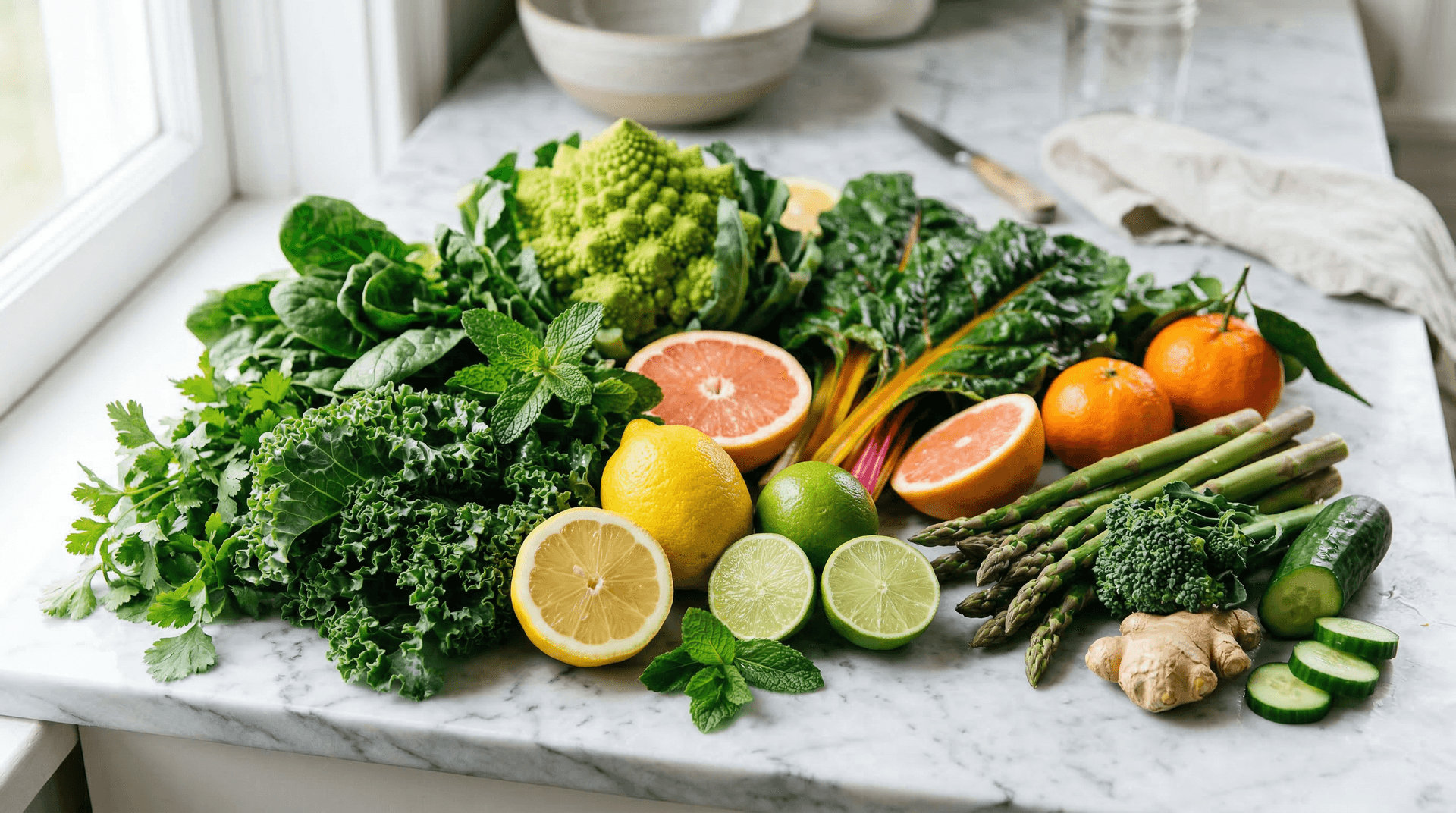
Start with basics that give your detox pathways less unnecessary work. Eat enough protein, because amino acids are required for glutathione synthesis and liver enzyme function. Include sulfur-rich foods such as broccoli, cauliflower, Brussels sprouts, garlic, onions, and eggs if tolerated. Add colorful plants, because berries, leafy greens, herbs, citrus, and deeply pigmented vegetables bring polyphenols and vitamin C into the antioxidant network.
Hydration matters too, but not in the vague "drink a gallon and detox" way. Adequate fluids support kidney function, digestion, blood volume, and regular elimination. Fiber supports the gut's role in clearing metabolized compounds. Sweat from exercise or sauna may feel cleansing, but the bigger win is improved circulation, insulin sensitivity, and mitochondrial signaling.
Alcohol is worth being honest about. The liver can process alcohol, but doing so creates oxidative demand and uses metabolic resources. If your goals are better skin, better recovery, and cleaner energy, reducing alcohol is one of the highest-leverage choices.
Sleep may be the most underrated detox support habit of all. During sleep, the brain and body shift into repair and clearance modes. Poor sleep increases oxidative stress, affects appetite hormones, worsens insulin sensitivity, and can make even a solid wellness plan feel like it is barely working.
Who may be interested in physician-guided glutathione therapy
Glutathione therapy tends to attract people who are not looking for a stimulant. They are looking for resilience. They may feel that recovery is slower than it used to be, that skin looks less bright, that travel or stress hits harder, or that they want more structured support for antioxidant balance.
It may be especially relevant for adults who are already eating well, moving consistently, sleeping reasonably, and still feeling like their system needs a more targeted layer of support.
It is not the right answer for every concern. Persistent fatigue, jaundice, unexplained weight loss, severe abdominal pain, shortness of breath, cognitive changes, or major skin changes deserve medical evaluation. Glutathione should not be used to mask symptoms that need diagnosis.
For eligible patients, RenuviaRX's telehealth model starts with a secure online health questionnaire. A board-certified physician reviews the information and determines whether treatment is appropriate. If prescribed, therapy is compounded by Strive Pharmacy and shipped directly to the patient.
That clinical layer matters. The goal is to make modern wellness more convenient without removing medical judgment.
A more mature definition of detox
After 40, the best wellness strategies usually become less extreme and more intelligent. You stop looking for a dramatic reset and start caring about systems: sleep quality, metabolic health, hormones, muscle, skin barrier, inflammation, stress, digestion, and cellular repair.
Glutathione fits that more mature model. It is not a cleanse. It is not a cure. It is not a promise that one injection or supplement will undo years of stress. It is a molecule your body already uses every day to help manage oxidative load, support normal detoxification chemistry, and maintain cellular balance.
That is why the conversation around glutathione for detox support is worth having, as long as it stays honest. Studies suggest that glutathione status can be influenced in humans, that precursor support may improve markers of oxidative stress in older adults, and that skin-related outcomes may improve in some settings [1,2,3,6]. Results vary, and responsible care should avoid exaggerated claims.
Ready to explore how glutathione therapy might support your wellness goals? Start with a free physician assessment at RenuviaRX and find out whether a medically guided approach is appropriate for you.
These statements have not been evaluated by the FDA. This content is for informational purposes only and does not constitute medical advice.
References
- Lizzo G et al. "A Randomized Controlled Clinical Trial in Healthy Older Adults to Determine Efficacy of Glycine and N-Acetylcysteine Supplementation on Glutathione Redox Status and Oxidative Damage." Frontiers in Aging, vol. 3, 2022, Article 852569. DOI
- Kumar P et al. "Supplementing Glycine and N-Acetylcysteine (GlyNAC) in Older Adults Improves Glutathione Deficiency, Oxidative Stress, Mitochondrial Dysfunction, Inflammation, Physical Function, and Aging Hallmarks: A Randomized Clinical Trial." The Journals of Gerontology: Series A, vol. 78, no. 1, 2023, pp. 75-89. DOI
- Weschawalit S et al. "Glutathione and its antiaging and antimelanogenic effects." Clinical, Cosmetic and Investigational Dermatology, vol. 10, 2017, pp. 147-153. DOI
- Watanabe F et al. "Skin-whitening and skin-condition-improving effects of topical oxidized glutathione: a double-blind and placebo-controlled clinical trial in healthy women." Clinical, Cosmetic and Investigational Dermatology, vol. 7, 2014, pp. 267-274. DOI
- Handog EB et al. "Evaluating Oral Glutathione Plus Ascorbic Acid, Alpha-lipoic Acid, and Zinc Aspartate as a Skin-lightening Agent: An Indonesian Multicenter, Randomized, Controlled Trial." The Journal of Clinical and Aesthetic Dermatology, vol. 14, no. 10, 2021, pp. E53-E58.
- Richie JP Jr et al. "Randomized controlled trial of oral glutathione supplementation on body stores of glutathione." European Journal of Nutrition, vol. 54, no. 2, 2015, pp. 251-263. DOI
- Sinha R et al. "Oral supplementation with liposomal glutathione elevates body stores of glutathione and markers of immune function." European Journal of Clinical Nutrition, vol. 72, no. 1, 2018, pp. 105-111. DOI
Ready to start your wellness journey?
Take a free online assessment and get physician-supervised therapy delivered to your door.
GET STARTED →