
L-Carnitine for Active Aging: Recovery and Energy After 40

Sarah Chen
Medical Content Advisor · August 23, 2026
Explore L-carnitine for active aging, including research on workout recovery, muscle soreness, fat oxidation, energy, and realistic expectations after 40.
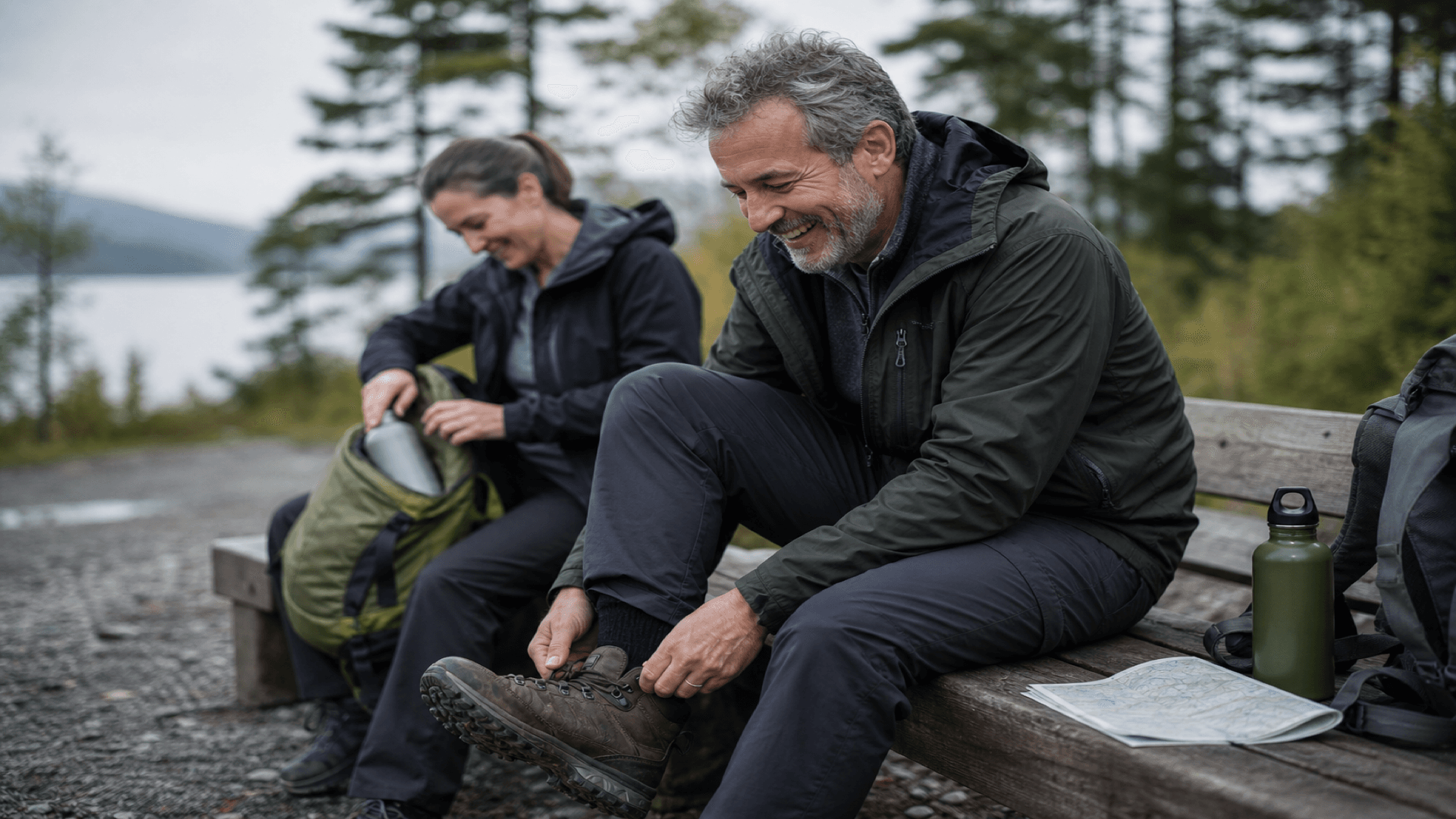
The promise of L-carnitine for active aging is easy to understand. You want to keep hiking, lifting, cycling, traveling, and saying yes to physical plans, but the recovery window after 40 can feel less forgiving. A workout that once disappeared from your legs by breakfast may linger into the next afternoon. That does not mean you are becoming fragile. It means recovery deserves as much attention as effort.
L-carnitine has become part of that conversation because it participates in cellular energy metabolism and has been studied for muscle soreness, exercise-related tissue stress, and fat oxidation. The science is promising in specific settings, but it is not a license for miracle claims. Some trials report useful changes, others find no meaningful effect, and most research has evaluated oral forms rather than injectable therapy.
The most useful question, then, is not whether L-carnitine can turn back the clock. It is whether it may support a thoughtful active-aging plan built on strength, aerobic fitness, protein, sleep, and appropriate medical care.
Why recovery can feel different after 40
Midlife does not arrive with a single metabolic switch. Instead, several small changes can accumulate. Adults may lose muscle when strength training and protein intake are inconsistent. Tendons can need longer to adapt to sudden increases in load. Sleep may become lighter, work stress can stay elevated, and busy schedules often compress recovery into whatever time remains.
Training itself also creates temporary disruption. A challenging session, especially one that is new or emphasizes eccentric movement such as downhill walking or lowering a weight, can produce delayed-onset muscle soreness. Tiny changes in muscle tissue are followed by an inflammatory repair response. Blood markers such as creatine kinase, myoglobin, and lactate dehydrogenase may rise, although those laboratory markers do not perfectly predict how sore a person feels.
This process is not inherently harmful. It is part of adaptation. The problem comes when training load repeatedly exceeds recovery capacity. Persistent fatigue, declining performance, disrupted sleep, or pain that changes how you move are signals to adjust the plan and, when appropriate, consult a clinician.
Active aging is therefore less about avoiding stress and more about dosing it intelligently. The goal is enough challenge to preserve strength, balance, cardiovascular capacity, and confidence, followed by enough recovery to adapt.
What L-carnitine actually does in the body
L-carnitine is a naturally occurring compound made from the amino acids lysine and methionine. It is concentrated largely in skeletal and cardiac muscle. Its best-known role is helping transport long-chain fatty acids across the inner mitochondrial membrane, allowing those fats to be used in energy production.
That description has encouraged simplistic “fat burner” marketing, but physiology is more nuanced. Having more circulating carnitine does not automatically force the body to burn substantial fat or produce weight loss. Muscle uptake is regulated, diet and insulin signaling matter, and the effects can differ according to age, baseline carnitine status, training, dose, formulation, and duration.
Researchers have also explored whether L-carnitine affects exercise-related oxidative stress, blood flow, cellular membrane stability, and the accumulation of metabolic byproducts. A 2023 scoping review by Caballero-García and colleagues concluded that L-carnitine could help postexercise recovery, while emphasizing that more research is needed to clarify the mechanisms and reach firm conclusions.[1]
That balance is important. L-carnitine has a plausible biological role and a growing human evidence base. It is still a supportive tool, not a replacement for the behaviors that drive fitness adaptation.
L-carnitine for active aging and muscle recovery
The strongest recovery signal comes from research that combines several randomized trials. A 2020 systematic review and meta-analysis evaluated seven randomized controlled trials of L-carnitine and exercise-induced muscle damage.[2] Compared with placebo, pooled results favored L-carnitine for muscle soreness at follow-up points from immediately after exercise through 96 hours. Creatine kinase, myoglobin, and lactate dehydrogenase were also lower at 24 hours, but the laboratory-marker effects did not persist at later time points.
The authors noted that the apparent benefits were most evident in resistance-training studies and untrained participants. That may be relevant to adults returning to exercise after a long break, but it also limits how broadly the findings should be applied. A trained endurance athlete and a 48-year-old restarting strength work are not the same population.
A separate randomized, double-blind, placebo-controlled trial enrolled 80 men and women ages 21 to 65.[3] Participants received L-carnitine tartrate or placebo for five weeks before an exercise challenge. The L-carnitine group reported better perceived recovery and soreness, had lower creatine kinase, and showed less decline in strength and power after the challenge.
As the researchers summarized, L-carnitine appeared to:
“improve perceived recovery and soreness”[3]
That is encouraging, particularly because the study included both sexes and a wider age range than many small sports-nutrition trials. Still, one trial does not prove that every formulation, route, or patient will experience the same outcome.
The practical takeaway is modest. Studies suggest L-carnitine may help some people feel less sore or recover more comfortably after demanding exercise. It should not be expected to erase all soreness, prevent injury, or make an overly aggressive program sustainable.
Energy and fat oxidation are not the same as fat loss
Because L-carnitine helps move fatty acids toward mitochondrial oxidation, it is often discussed alongside metabolic flexibility, the ability to use both fat and carbohydrate appropriately as demands change. One particularly relevant human study examined healthy older men and measured carnitine inside skeletal muscle rather than relying only on blood levels.[4]
Chee and colleagues reported that increasing muscle carnitine content by about 20% was accompanied by an approximately 20% increase in whole-body fat oxidation during moderate-intensity exercise.[4] The study was published in Aging Cell, and the intervention paired L-carnitine with carbohydrate over a prolonged period to encourage muscle uptake.
This finding does not mean L-carnitine produces 20% more fat loss. Fat oxidation during a controlled exercise test is not the same outcome as long-term change in body weight or waist circumference. Total calorie intake, training volume, sleep, hormones, medications, and numerous other factors influence body composition.
For active aging, the more grounded interpretation is that L-carnitine may influence how muscle handles fuel under certain conditions. That could be relevant to sustained, moderate activity, but it does not replace progressive exercise or nutrition. Anyone selling a guaranteed transformation from this mechanism alone is skipping several steps in the evidence.
Where the evidence is mixed
Good wellness guidance should include studies that did not find a benefit. In a 24-week randomized pilot trial, healthy women ages 65 to 70 received L-carnitine tartrate or an isonitrogenous placebo.[5] Supplementation increased plasma carnitine, but it did not meaningfully change muscle strength or the measured inflammatory and growth-related markers.
That result teaches two useful lessons. First, raising a nutrient in the bloodstream does not guarantee a functional improvement. Second, recovery, muscle strength, and healthy aging are different outcomes. Evidence that a compound may reduce soreness after an exercise challenge cannot automatically be extended to a claim that it builds strength or prevents age-related muscle loss.
Reviews also identify considerable variation among studies. Protocols use different populations, exercise challenges, treatment lengths, and L-carnitine formulations. Some trials are small. Many focus on younger adults, and the bulk of the published exercise research evaluates oral supplementation.[1][2][6]
There is also a route-of-administration gap. Findings from oral L-carnitine studies do not directly establish the benefits, optimal dose, or comparative effectiveness of injectable L-carnitine. Injectable therapy should be considered on its own clinical terms with a licensed medical professional, not treated as interchangeable with every supplement used in a study.
Build the foundation before adding targeted support
The most effective active-aging plan is reassuringly unglamorous. It combines repeatable habits that improve recovery capacity over time.
Strength train consistently. Two or more weekly sessions can help preserve muscle, bone-loading stimulus, and everyday function. Start below your maximum capacity and add weight, repetitions, or complexity gradually.
Keep aerobic work in the mix. Brisk walking, cycling, swimming, and other sustainable activities support cardiovascular fitness and work capacity. Easy sessions can coexist with harder intervals rather than every workout becoming a test.
Eat enough protein and total energy. Recovery becomes harder when an active person chronically under-fuels. Spread protein across meals and include carbohydrate around demanding sessions when it helps performance and replenishment.
Protect sleep. Training adaptations do not happen only in the gym. A consistent sleep schedule, a cool dark room, and less alcohol near bedtime often offer more value than another complicated recovery product.
Respect pain signals. General muscle tenderness after a new session is different from sharp pain, swelling, joint instability, chest discomfort, or symptoms that worsen. Those warrant evaluation rather than an attempt to supplement through them.
L-carnitine fits after this foundation is reasonably stable. It may be worth discussing when recovery, cellular energy, or fat metabolism is a specific goal and a clinician can review the full picture.
What to discuss with a clinician
A productive medical conversation starts with context. Share your exercise routine, symptoms, medications, supplements, medical history, and goals. Fatigue and slow recovery can have many contributors, including inadequate sleep, low calorie intake, iron or vitamin deficiencies, thyroid disorders, medication effects, mood changes, and excessive training load. A targeted assessment is more useful than assuming one pathway explains everything.
L-carnitine is generally described as well tolerated in research, but side effects can include nausea, abdominal discomfort, diarrhea, or a fishy body odor. Individual risk matters. People who are pregnant or breastfeeding, have seizure disorders, kidney disease, thyroid conditions, or take prescription medications should seek personalized guidance before use. Your clinician can also explain why a particular route and dose are being considered and how response will be monitored.
RenuviaRX offers physician-supervised L-Carnitine therapy through a HIPAA-compliant online evaluation, with medication compounded by Strive Pharmacy when prescribed. The purpose of supervision is not to guarantee a result. It is to decide whether treatment is appropriate, align expectations with the evidence, and integrate it into a safer wellness plan.
A realistic way to stay active for the long run
L-carnitine for active aging is best viewed as one possible support within a larger system. Human studies suggest it may improve perceived recovery and muscle soreness after exercise in some settings, and research in older adults shows that increased muscle carnitine can alter fat oxidation during moderate activity.[2][3][4] Other work finds no improvement in strength, reminding us to keep the claims precise.[5]
The real win after 40 is not chasing the sensation of being 25. It is building enough strength, aerobic capacity, mobility, and recovery margin to keep doing what makes life feel expansive. If those foundations are in place and you are curious about L-carnitine, a clinician can help you decide whether it belongs in your plan.
These statements have not been evaluated by the FDA. This content is for informational purposes only and does not constitute medical advice.
References
- Caballero-García A, Noriega-González DC, Roche E, Drobnic F, Córdova-Martínez A. Effects of L-Carnitine Intake on Exercise-Induced Muscle Damage and Oxidative Stress: A Narrative Scoping Review. Nutrients. 2023;15(11):2587. https://doi.org/10.3390/nu15112587
- Yarizadh H, Shab-Bidar S, Zamani B, Nazary Vanani A, Baharlooi H, Djafarian K. The Effect of L-Carnitine Supplementation on Exercise-Induced Muscle Damage: A Systematic Review and Meta-Analysis of Randomized Clinical Trials. Journal of the American College of Nutrition. 2020;39(5):457-468. https://doi.org/10.1080/07315724.2019.1661804
- Stefan M, Sharp M, Gheith R, et al. L-Carnitine Tartrate Supplementation for 5 Weeks Improves Exercise Recovery in Men and Women: A Randomized, Double-Blind, Placebo-Controlled Trial. Nutrients. 2021;13(10):3432. https://doi.org/10.3390/nu13103432
- Chee C, Shannon CE, Burns A, et al. Increasing Skeletal Muscle Carnitine Content in Older Individuals Increases Whole-Body Fat Oxidation During Moderate-Intensity Exercise. Aging Cell. 2021;20(2):e13303. https://doi.org/10.1111/acel.13303
- Sawicka AK, Hartmane D, Lipinska P, Wojtowicz E, Lysiak-Szydlowska W, Olek RA. L-Carnitine Supplementation in Older Women. A Pilot Study on Aging Skeletal Muscle Mass and Function. Nutrients. 2018;10(2):255. https://doi.org/10.3390/nu10020255
- Huang A, Owen K. Role of Supplementary L-Carnitine in Exercise and Exercise Recovery. Medicine and Sport Science. 2012;59:135-142. https://doi.org/10.1159/000341934
Ready to start your wellness journey?
Take a free online assessment and get physician-supervised therapy delivered to your door.
GET STARTED →